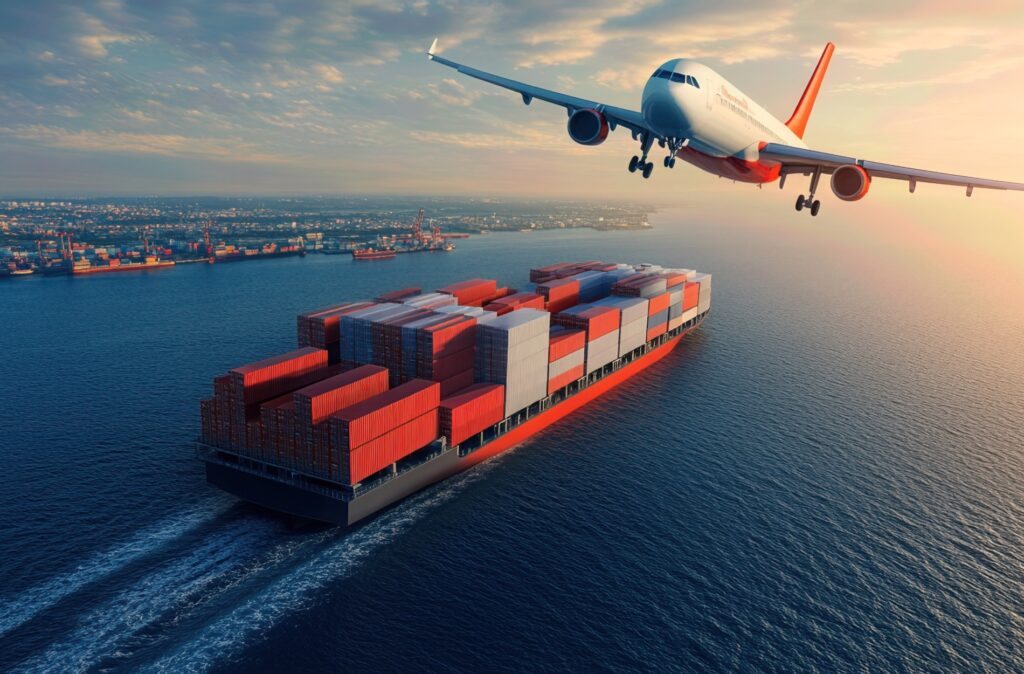
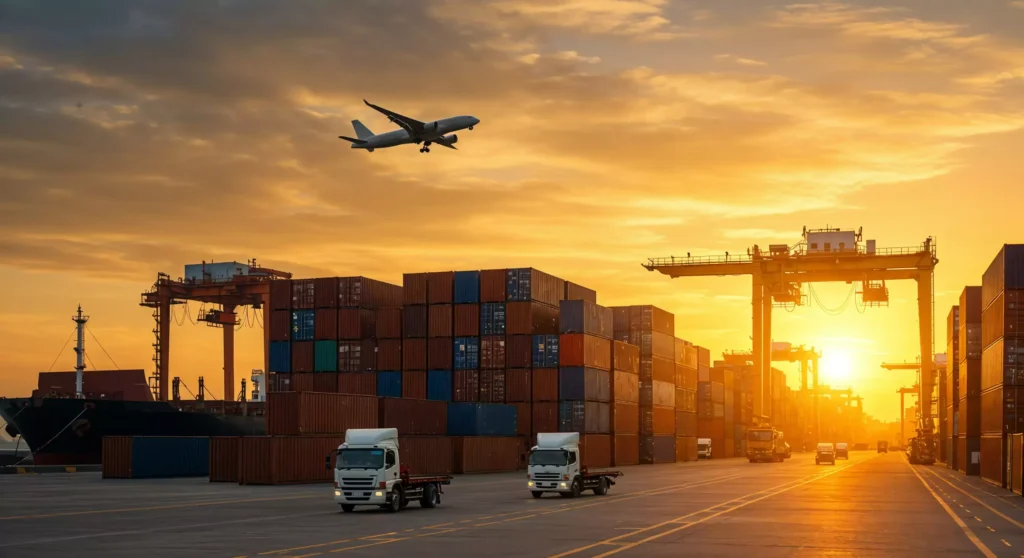
Logistics transportation services have become a fundamental cornerstone for business success across various sectors. Companies rely heavily on the efficiency of transport and freight operations to ensure that products and goods reach customers quickly and safely. With the significant evolution of local and global markets, logistics is no longer just a means of moving cargo; it has become a strategic element that directly impacts service quality, customer satisfaction, and business growth.
Logistics services help companies organize the movement of goods between suppliers, warehouses, and customers more efficiently, reducing delays and ensuring on-time delivery. This positively reflects on a company’s reputation and builds customer trust, especially in markets that demand speed and precision in order fulfillment.
Furthermore, logistics services contribute to reducing operational costs by optimizing warehousing, transportation, and route planning. Companies that rely on organized logistical systems can minimize waste and improve resource utilization, leading to increased profitability and higher operational efficiency.
Another crucial aspect is that logistics transportation enables companies to expand and reach new markets more easily, both locally and internationally. When a company possesses a robust logistical system, it becomes capable of meeting demands rapidly and handling larger shipment volumes without compromising service quality.
Modern technology plays a vital role in developing logistics services. Real-time shipment tracking, precise inventory management, and improved coordination across various stages of transport and delivery have become possible. This allows companies to make faster decisions and mitigate operational issues that might hinder workflow.
Moreover, partnering with professional logistics providers grants business owners peace of mind. These providers take over the responsibility of organizing freight, storage, and delivery while adhering to legal standards and safety requirements. This allows businesses to focus on their core development and achieve their commercial goals.
In conclusion, logistics transportation has become an essential element for business success and sustainability. It is not limited to merely moving goods; it is a driver for enhancing operational efficiency, boosting customer satisfaction, and supporting the growth and expansion of companies in diverse markets.