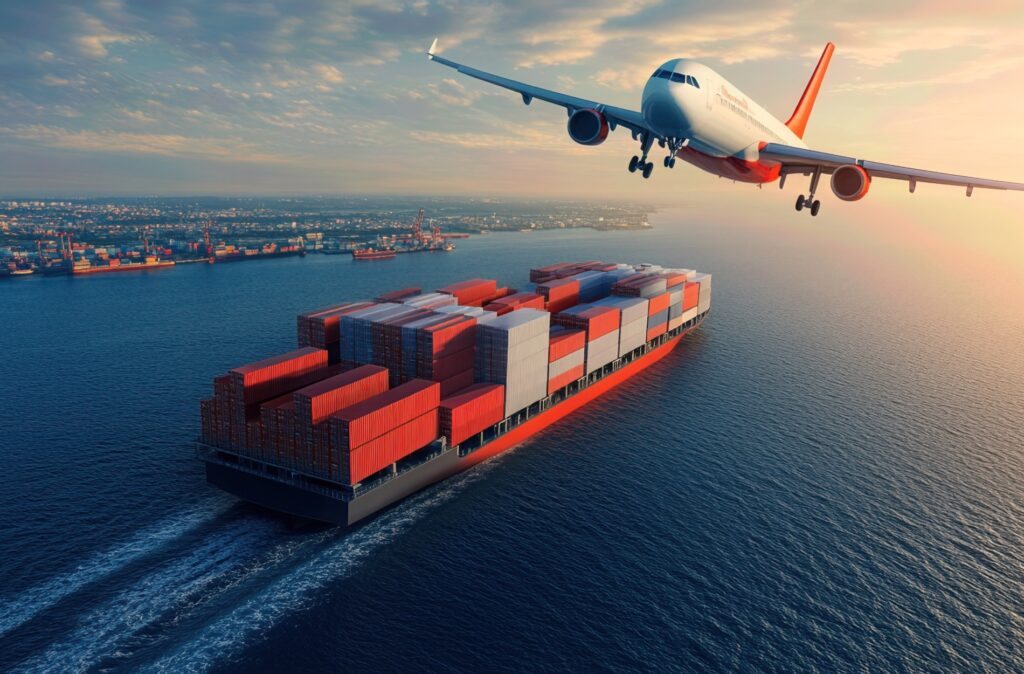
Customs clearance is a pivotal stage in the shipping and logistics sector. Every shipment undergoes a series of systematic steps, starting from its arrival at the port or airport until its final handover to the client. The speed of this process hinges on procedural accuracy and seamless coordination between various stakeholders, ensuring minimal delays and safe, on-time delivery.
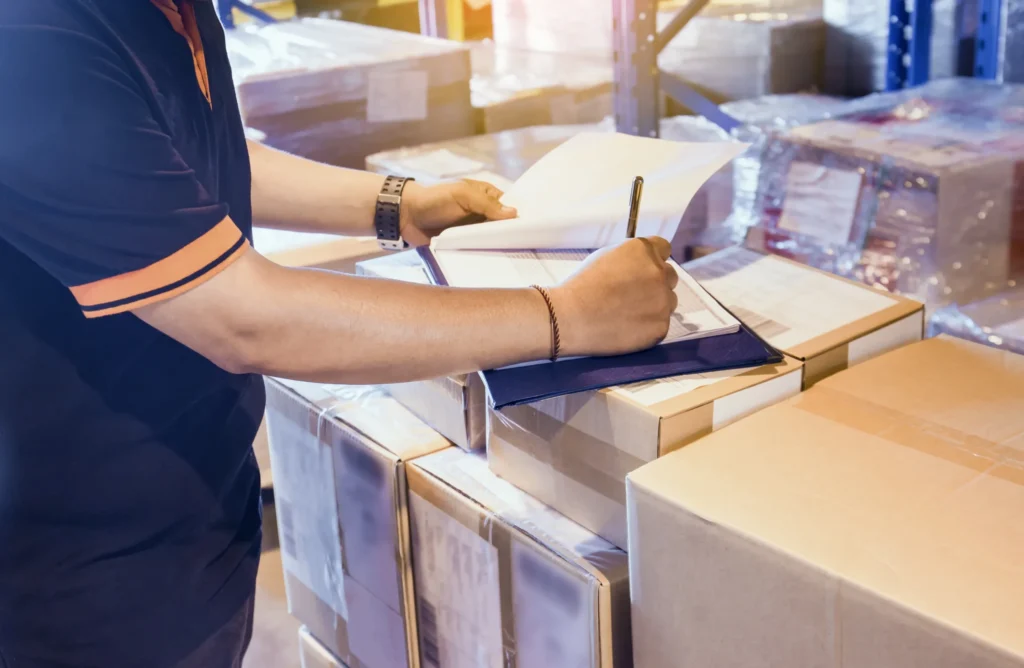
1. Documentation & Initial Arrival The journey begins the moment the shipment reaches the customs entry point. Initial data is recorded, and essential documents—including Commercial Invoices, Bills of Lading, and Certificates of Origin—are meticulously reviewed. This stage is critical; any discrepancy or missing paperwork can disrupt the entire workflow and delay the release of goods.
2. Customs Declaration & Inspection Once the documentation is verified, a Customs Declaration is submitted to the relevant authorities. Customs officials assess the shipment to ensure full compliance with established laws and regulations. In certain cases, goods may undergo physical inspection to verify that the cargo matches the declared documents and meets safety standards.
3. Duties, Taxes, and Legal Release This stage involves calculating the applicable customs duties and taxes based on the goods’ type, value, and governing regulations. Upon fulfilling all financial and procedural requirements, a Customs Release Note is issued, officially permitting the shipment to exit the port or airport.
4. Transportation & Distribution Following the legal release, the transport phase commences. Logistics providers coordinate the movement of cargo from the customs zone to warehouses or directly to the client’s doorstep. The success of this stage relies on the carrier’s efficiency in ensuring a secure and rapid delivery.
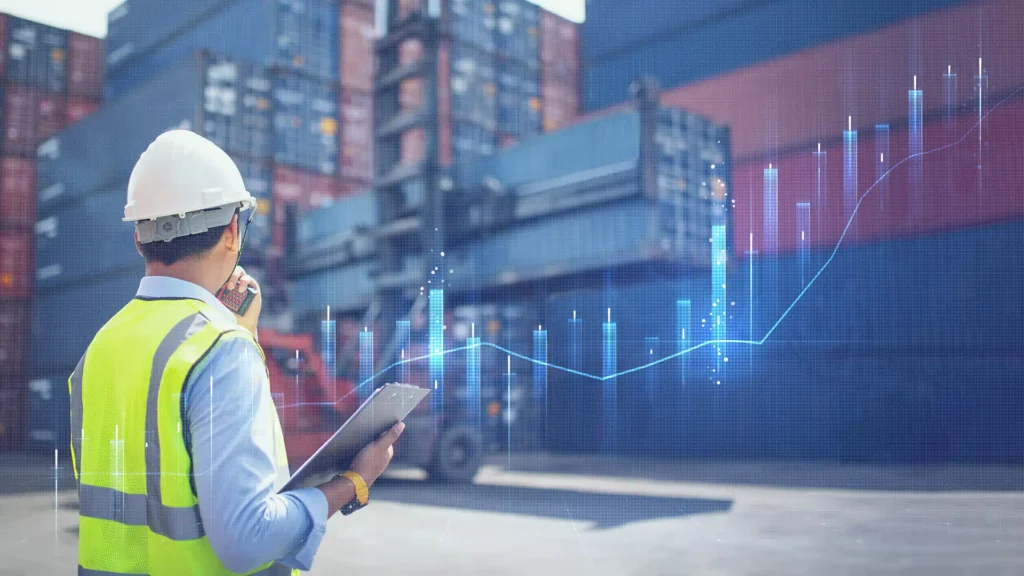
5. Real-Time Monitoring & Professional Oversight Modern logistics firms utilize advanced electronic systems to track shipments at every stage. This constant monitoring improves processing speed and mitigates potential risks or delays. Professional customs clearance companies—like Sayyar—streamline this entire journey by providing integrated services, from document preparation and authority coordination to final mile delivery.
Conclusion The customs clearance process is a sequence of interconnected steps requiring deep expertise and high precision. Managing this flow—from port arrival to the final destination—is what makes a professional customs partner an indispensable element in the success of any global shipping operation.